Source Portable Pure Wool Picnic Blanket for Travel, Hotel, Home
Find 30 portable pure wool picnic blanket options for travel, hotel stays, and home use. Compare features like waterproofing, anti-pilling, and machine-weaved construction to select the right size and style for your sourcing needs; compare the available evidence and request quotations based on your requirements.
Key considerations
Products List


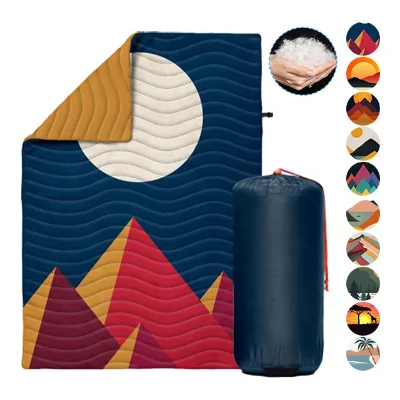
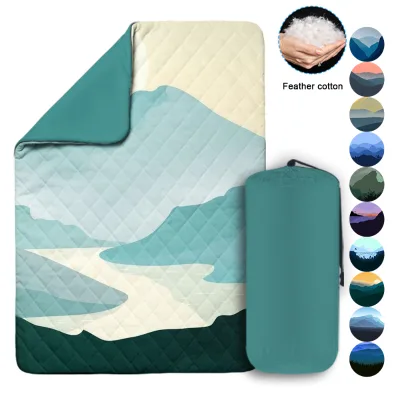


Comprehensive Sourcing Guide
Portable Pure Wool Picnic Blanket Sourcing Guide
Procuring a portable pure wool picnic blanket requires distinguishing between genuine wool products and blended alternatives that may appear similar in marketing materials. The observed market data indicates a mix of "Pure Wool Blanket" and "Blended Blanket" listings, necessitating rigorous material verification before finalizing any order. Buyers must explicitly request fiber composition certificates to confirm the wool content, as the presence of microfiber or other synthetic blends significantly alters the product's thermal properties and durability.
Beyond material composition, the intended usage environment dictates the necessary feature set for a successful procurement. The available product attributes highlight specific applications such as travel, hospital settings, and outdoor picnics, which demand distinct performance characteristics like portability and wearability. Sourcing teams should align their requirements with these observed usage scenarios, ensuring the selected blanket offers the necessary warmth and comfort while maintaining the structural integrity required for repeated outdoor use.
Product Scope and Observed Listing Signals
The current market landscape for portable wool blankets presents a diverse range of styles and patterns, including plaid, plain, check, and twill designs. Buyers should note that while some listings specify a "Printing Pattern" or "Jacquard" finish, others emphasize a "Solid" or "Plain Color" aesthetic. This variation allows for customization to match brand identity or specific event themes, but it also requires clear communication of design preferences to avoid receiving a product that does not align with the intended visual presentation.
Seasonal versatility is another critical signal observed in the product listings, with items categorized for both "Winter" and "Spring and Autumn" use. This suggests that the thermal performance of the wool varies significantly across different SKUs, likely influenced by the weight and weave density. Procurement teams must verify the specific seasonal rating of each candidate product to ensure it meets the climate requirements of the target market, as a blanket designed for mild spring weather may be insufficient for winter picnics.
Technical Specifications to Verify
Dimensional accuracy is paramount when sourcing blankets for specific seating arrangements or transport constraints. The observed product models range from 140x200 cm to 160x220 cm, with some listings specifying a "Queen" size and others a "Full" or "Twin" size. Buyers must confirm the exact dimensions required for their use case, as the difference between a twin and queen size can impact the number of units needed and the overall logistics cost for shipping and storage.
Construction details such as the knitting method and fringe specifications also require strict verification to ensure product longevity. The data indicates a "Machine Weaved" construction, which generally offers consistency, but the presence of specific standards like "130X170cm+10cm*2fringe" suggests that fringe length and weight (e.g., 280gsm) are critical differentiators. Sourcing teams should request detailed technical drawings or samples that explicitly confirm these construction metrics to prevent receiving a product that lacks the advertised structural quality.
Compliance and Safety Documentation
Safety and material integrity are foundational requirements for any textile product intended for direct human contact, especially in shared environments like hospitals or public picnics. While the observed listings mention features like "Anti-Pilling" and "Fireproof" capabilities, these claims must be substantiated by independent test reports rather than relying solely on supplier assertions. Buyers should demand evidence of flame retardancy testing and fiber purity analysis to ensure the product meets the safety expectations of the end-user and relevant regulatory bodies.
Documentation regarding the origin and manufacturing standards is equally essential for maintaining supply chain transparency. The data points to "Weihai, Shandong, China" as a primary origin, and while some listings reference a "wool blanket" standard, specific certification numbers are not universally provided. Procurement teams should require suppliers to disclose the specific standards applied during production and provide traceability documents that verify the wool source, ensuring that the product complies with all applicable import regulations and quality benchmarks.
Cost Drivers and Commercial Terms
Pricing in the wool blanket market is heavily influenced by material composition and the complexity of the customization process. The observed price range of 1.19 to 25 USD reflects the significant variance between blended microfiber options and pure wool products, as well as the cost of adding features like electric heating or specific printing patterns. Buyers must understand that the lower end of this spectrum likely corresponds to blended materials, while the higher prices are reserved for genuine pure wool items with advanced functional features.
Minimum Order Quantities (MOQ) and lead times are critical commercial terms that impact the financial viability of the procurement. The data shows an MOQ range of 10 to 1000 units, with a specific high-confidence observation of 300 pieces for certain pure wool listings. Additionally, sample times are noted as 20-25 days, which must be factored into the overall project timeline. Sourcing teams should negotiate these terms carefully, balancing the need for volume discounts against the risk of overstocking or delaying product launch due to extended production cycles.
Supplier Qualification and Quality Control
Evaluating supplier capability requires a deep dive into their production capacity and quality assurance protocols. The availability of customization options, including color variations and pattern printing, indicates a flexible manufacturing base, but this flexibility must be managed through strict quality control measures. Buyers should verify the supplier's ability to maintain consistency across large batches, particularly when dealing with natural fibers like wool which can exhibit inherent variations in texture and color.
Packaging and logistics readiness are also key indicators of a supplier's professionalism and ability to handle international shipments. The observed packing methods range from individual PE bags to carton packaging with specific quantities per unit, such as 6 pieces per carton. These details affect the efficiency of warehousing and the protection of the product during transit. Procurement teams should assess the supplier's packaging standards to ensure they prevent damage and moisture ingress, which are common risks for wool products during long-distance shipping.
Long-Term Procurement Checks
Sustaining a successful supply relationship for portable wool blankets requires ongoing monitoring of product performance and market trends. Buyers should establish a feedback loop with end-users to track issues such as pilling, shrinkage, or loss of warmth over time. This data is essential for validating the initial quality claims and ensuring that the supplier continues to meet the performance standards required for repeat orders and long-term contracts.
Adaptability to changing market demands is another critical factor for long-term procurement success. As consumer preferences shift towards more sustainable or specialized features, suppliers must demonstrate their ability to innovate and adjust their product lines accordingly. Procurement teams should maintain open communication channels with suppliers to anticipate these shifts and ensure that the supply chain remains agile enough to deliver products that remain competitive and relevant in the evolving marketplace.
FAQs
What materials are used for portable pure wool picnic blankets?
The blankets are crafted from pure wool or blended fabrics, including microfiber options. These materials ensure durability and comfort for various settings. The wool variants provide natural warmth and luxury, while blended versions offer lightweight portability. Both types are designed to withstand regular use during outdoor activities or travel.
Can I customize the design of a pure wool picnic blanket?
Yes, customization is available for these blankets. Buyers can select from various patterns such as plaid, check, or plain colors. Some options allow for jacquard weaving with up to eight colors or printing with up to twelve colors. This flexibility ensures the blanket matches specific aesthetic preferences or branding requirements.
What are the standard sizes for these wool blankets?
Standard sizes include Queen, Full, and Twin dimensions. Specific models measure 140x200 cm, 150x200 cm, or 160x220 cm. These dimensions cater to different seating needs, from individual use to family picnics. The sizing ensures adequate coverage for comfort while remaining portable enough for easy transport in a carton or PE bag.
How long does it take to produce a sample?
The sample production time is typically 20 to 25 days. This period allows for quality checks and customization adjustments before bulk manufacturing begins. Buyers should plan their sourcing timeline accordingly to ensure timely delivery for events or seasonal demands. The lead time reflects the careful craftsmanship involved in creating pure wool products.
What features make these blankets suitable for travel and hotels?
These blankets feature anti-pilling, portable, and wearable designs, making them ideal for travel and hotel use. They are often waterproof and fireproof, adding safety and convenience. The soft, warm texture provides comfort in various environments. Their durable construction ensures they remain in good condition despite frequent use and transport during trips or outdoor picnics.
What is the minimum order quantity for these blankets?
The minimum order quantity is generally 300 pieces, though observed ranges vary from 10 to 1000 units. This MOQ allows for flexible sourcing depending on buyer needs. Bulk orders may benefit from standardized packaging in cartons. Buyers should confirm specific MOQ requirements with suppliers to align with their inventory and distribution strategies effectively.
Where are these pure wool blankets manufactured?
These blankets are manufactured in China, specifically in Weihai, Shandong. This region is known for its textile industry and wool processing capabilities. The origin ensures access to high-quality raw materials and skilled labor. Buyers sourcing from this location can benefit from established supply chains and competitive pricing for pure wool products.